
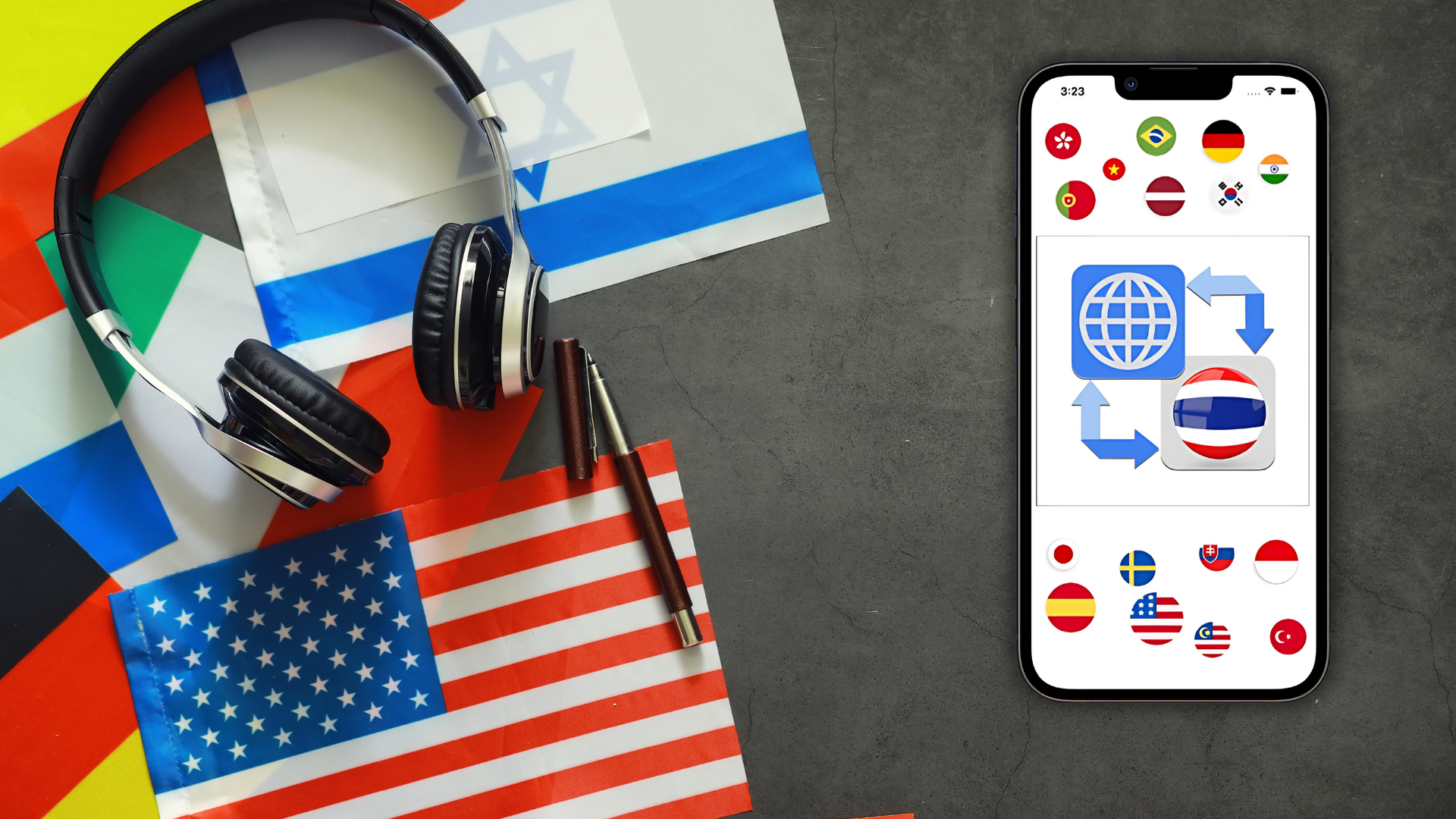
With the popularization of online learning, learning a new language has become more accessible than ever. There are numerous online language learning tools that offer practical and effective methods, allowing anyone to develop language skills in a flexible and personalized way. With the possibility of studying anywhere and anytime, these online tools are ideal for those with busy schedules who still want to become fluent in a new language.
In this article, we will explore the best tools for learning languages online, highlighting the features, methodologies, and benefits of each. With so many options available, it's essential to know which tools offer the best resources, whether you're learning a new language from scratch or improving your knowledge of a foreign language. With the tips we'll share, you can choose the tool that best suits your needs and begin your language learning journey.
Advantages of learning languages with online tools
Using online tools to learn languages offers numerous advantages, such as flexible scheduling and personalized lessons. Furthermore, these platforms offer varied content, including interactive exercises, videos, and conversation practice, allowing for a comprehensive learning experience. These tools were developed to make studying more dynamic, with activities that stimulate memory and aid in vocabulary and grammar retention.
Another benefit is the possibility of practicing with native speakers, which improves pronunciation and cultural understanding of the language being studied. With a wide variety of resources and methodologies, online tools have become an excellent alternative for those who want to learn a new language in a practical and efficient way.
Duolingo
THE Duolingo Duolingo is one of the most popular tools for learning languages online. With a gamified methodology, the app transforms learning into a game where users accumulate points and unlock levels as they progress. Duolingo offers courses in various languages, including English, Spanish, French, German, Italian, and others, and is ideal for those seeking a light and fun approach.
In addition to being free, Duolingo has an intuitive interface, making it easy to use for beginners. The app also allows for daily practice of vocabulary, grammar, and pronunciation exercises. The paid version, Duolingo Plus, offers extra features such as the absence of ads and the ability to use it offline, which is great for those who want to practice anywhere.
Babbel
Babbel Babbel is another excellent option for those who want to learn languages with a more structured approach. The app offers lessons focused on practical communication, teaching useful phrases and expressions for everyday life. Babbel is ideal for those who want to develop fluency in real-life situations, such as travel, work, and informal conversations.
Babbel's distinguishing feature is that its lessons are personalized for different knowledge levels and focus on developing specific skills, such as reading, writing, and speaking. The platform offers a paid version that includes interactive exercises and teacher feedback, providing a complete learning experience focused on the student's goals.
Memrise
THE Memrise Memrise is a tool designed for learning vocabulary and grammar, using spaced repetition techniques to facilitate memorization. With an intuitive interface and practical exercises, Memrise helps users expand their vocabulary efficiently. In addition, the app features videos of native speakers, which improves listening comprehension and pronunciation.
Memrise is ideal for those who want to learn gradually and focus on retaining the words and phrases they learn. The paid version of Memrise offers more advanced and personalized courses, as well as exclusive content. For those who prefer consistent, vocabulary-focused learning, Memrise is an excellent choice.
Busuu
Busuu Busuu is a platform that combines interactive exercises with conversational practice with native speakers. It offers courses in several languages and allows users to practice the four main skills: reading, writing, listening, and speaking. Busuu is especially useful for those seeking direct interaction with other students and native speakers, making learning more dynamic and practical.
One of the advantages of Busuu is the possibility of receiving feedback from native speakers, which helps to correct errors and improve learning. The platform has a free version, but the paid version offers additional features, such as personalized courses and more complete exercises, making Busuu ideal for those who want in-depth learning.
HelloTalk
THE HelloTalk HelloTalk is an app focused on practicing languages with native speakers around the world. Unlike traditional learning apps, HelloTalk functions as a social network, where users can converse with people who speak the language they are learning. It's ideal for those who want to develop fluency through real and interactive conversations.
On HelloTalk, users can correct each other's texts and exchange text, audio, and video messages, providing a complete language immersion experience. The app offers a free version with basic features and a paid version with advanced features such as instant translation and search filters, making it an excellent option for those who want to practice languages in a relaxed way.
Additional features of language learning tools
Online language learning tools offer a range of features that make learning more effective. Among them, daily reminders stand out, helping users maintain a study routine, and placement tests allow for content customization according to their level of knowledge. These features help students progress continuously and practically.
Another interesting feature is the ability to set study goals, such as the number of new words per day or the time dedicated to daily practice. These tools not only encourage progress but also help maintain motivation and engagement in the learning process.
Conclusion
Learning languages online has become an accessible and dynamic task, thanks to the various tools currently available. With options ranging from learning basic vocabulary to advanced conversation practice with native speakers, these platforms offer a complete and personalized experience. Using one of the recommended tools, you can learn a new language flexibly and efficiently, adapting your studies to your routine and goals.
Try the tools mentioned in this article and choose the one that best suits your needs. With dedication and consistent practice, it's possible to achieve fluency in a new language and expand your communication and personal development possibilities.

FAQ – Frequently Asked Questions
1. Do I have to pay to use these language learning tools?
Most tools offer a free version with basic features. However, paid versions include additional content and more advanced functionalities.
2. How much time should I dedicate to language study each day?
It is recommended to dedicate a minimum of 20 to 30 minutes daily to maintain consistent progress. It is important to practice every day to reinforce learning.
3. Which tool is best for someone who wants to practice conversation?
HelloTalk is excellent for practicing conversations with native speakers, as it allows for real-time message exchange and corrects errors directly.
4. Can I learn more than one language at the same time?
Yes, most of these platforms allow you to study multiple languages simultaneously, but it's advisable to maintain a balanced pace to avoid overloading your learning.
5. Do these tools work offline?
Some apps, like Duolingo and Babbel, offer the option to download lessons for offline study. This feature is useful for those who want to study anywhere, even without internet access.