Privacy in Dating Apps: How to Protect Yourself
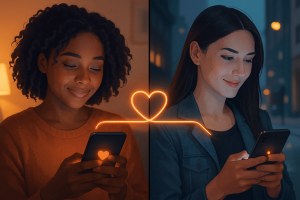
In today's digital landscape, dating apps have revolutionized how we meet new people. They have democratized connection opportunities, allowing individuals from different backgrounds, cities, and even countries to interact with a simple swipe of a finger. However, this hyperconnectivity has also brought to light a fundamental need for many users: discretion.
Today, using a dating platform is commonplace. Still, there's a significant difference between voluntary exposure and invasion of privacy. Established professionals, people in leadership positions, or any individual who values their private life, seek experiences that respect their boundaries. It is in this context that the privacy features of dating apps help navigate the world of online dating safely and confidently.
Advantages of Discreet Applications
Enhanced Privacy
This is the fundamental pillar. Unlike conventional apps, where profiles can be easily discovered by acquaintances, these specialized platforms implement robust features. Stealth mode, which allows you to browse without appearing in search results, geolocation blocking to avoid coincidences with coworkers or neighbors, and access codes Or, registration by invitation is one of the barriers that protects the user's identity from the very first access.
Specific and Conscious Target Audience
Discretion attracts a specific type of user. Generally, these are mature, professional people who know exactly what they are looking for, whether it's a serious relationship or a casual encounter. This naturally filters unwanted interactions, trolls, and fake profiles, which are common on both free and mass-market apps. Conversation quality tends to be higher because everyone is on the same page regarding the value of privacy.
Total Control over Visibility
The user is in control. It is possible to decide. which photos are visible, what information Profile details are shared, and access to certain data is only granted after a relationship of trust has been established with another member. This granular control ensures that exposure is always consensual and gradual, minimizing risks.
Advanced Data Security
Platforms that promise discretion invest heavily in cybersecurity. This includes end-to-end encryption for messages, ensuring that only the sender and recipient can read them, no-storage policies of sensitive data and reporting tools discreet and efficient. Protection against screenshots within the app is another common and crucial functionality.
More Private Notifications
Many apps allow you to configure notifications that don't show the sender's name or message snippets on the lock screen. It's also worth protecting your phone with a password or biometric authentication. These are privacy precautions, useful for anyone who doesn't want to expose their personal life to those around them.
How to Choose the Ideal App for You
With several options on the market, selecting the right platform is an important step. First, identify your main need: Is it just privacy or are you looking for a specific type of relationship? Then, research the app's reputation. Read reviews on specialized forums and check the privacy policy to understand how your data will be handled. Confirm the discretionary features offered: are they aligned with your desired level of privacy? Finally, evaluate the cost-benefitPremium apps, often subscription-based, tend to offer more security and a more select audience than completely free options.
Best Practices for Maintaining Discretion Online
Even when using the most secure app, user behavior is fundamental. Never share personal contact information. (Phone number, Instagram, Facebook) right from the first conversations. Use the app's own messaging system, which is encrypted. Choose photos that are not easily found on your other social media platforms. Avoid full-face images as your main profile photo; opt for interesting angles or photos that showcase your hobbies. When scheduling an in-person meeting, choose a public place and inform a trusted friend of your location. Discretion goes hand in hand with safety.
Frequently Asked Questions (FAQ)
It is crucial to distinguish between discretion and total anonymity. Most discreet apps aren't completely anonymous, as they require an email address or phone number for registration. However, they... protect your anonymity within the platform. Your profile will not be visible to non-members, and your personal information is hidden from other users. The goal is to allow you to reveal yourself to someone only when and if you want to.
It is highly discouraged. The main reason to use a discreet app is to separate your love life from your public social media accounts. Linking accounts like Instagram or Facebook can inadvertently expose your identity, suggest connections to people in your social circle, or make your dating profile easy to find through these platforms. The best practice is to keep everything completely separate.
It's a common situation. The most respectful thing to do is not to discuss the other person's profile with third parties. If you don't want to interact, just move on; if there's mutual interest, chat naturally. Many apps also allow you to hide profiles from contacts in your address book or block specific users.
Vigilance is always necessary. Be wary of poorly detailed profiles or with overly professional photos. One A common scam is... catfish, where someone creates a false identity. Always suggest a quick video call before an in-person meeting to confirm the person's identity. Never, under any circumstances, send money or financial data to someone you met online, regardless of the story they tell.
Generally, Yes. The subscription model acts as a first barrier, keeping away casual and malicious users. The investment is frequently recouped in better security features, Faster customer support, a more curated environment with fewer bots and spam, and premium features that enhance your control over your privacy. Consider the cost an investment in your security and peace of mind.